

The duration of mourning is influenced by various factors, ranging from traditions and customs to religious requirements and personal beliefs. Grief is a complex emotional journey that individuals experience differently, making it challenging to define a universal timeline for mourning. In this article, we will explore the factors that influence the duration of grief, emphasizing the role of cultural traditions, individual experiences, and social support.
Cultural and Religious Factors
Cultural and religious factors play a significant role in the mourning process and can influence its duration. Different cultural and religious traditions have specific rituals, customs, and expectations surrounding grief, which can impact how individuals experience and express their emotions. For example, some cultures have a predetermined period of mourning during which individuals are expected to display sadness and focus on their loss. In contrast, other cultures may have a more flexible approach, allowing individuals to define their own healing timeline.
Cultural and religious traditions can also provide support and structure during mourning. Funeral rituals, prayers, ceremonies, or specific customs can help individuals find comfort and a sense of connection with others. Social and cultural expectations can influence how long individuals perceive the need to grieve and how long they choose to remain in a state of sadness.
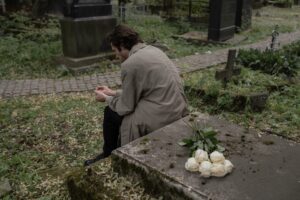
However, it is important to emphasize that individual beliefs and choices also play a significant role. Regardless of cultural and religious traditions, each person has their own pace and needs when it comes to the healing process. Some individuals may require more time to experience and process grief, while others may find comfort and meaning earlier in their journey. Respecting individual experiences and choices is crucial, as the duration of mourning can vary greatly from person to person.
The Role of Relationship and Connection
Individual experiences and community customs significantly influence the duration of mourning. Every person is unique, with individual emotions, personalities, and life contexts that shape their grieving process. Factors such as previous traumatic experiences, the strength of emotional bonds with the deceased, and individual coping abilities can impact the length of grief. Additionally, it is important to consider the customs and norms of the community in which the individual is situated. Social expectations, mourning rituals, and the support of the community can influence the pace and duration of the healing process.
It is worth noting that the duration of mourning can also vary at different stages of life. For example, a child’s grief may be shorter compared to that of an adult, due to differences in understanding death, emotional maturity, and the ability to express feelings. Furthermore, cultural practices and community norms can significantly shape the length of mourning. Some cultures have designated mourning periods during which the community provides support and allows individuals time to experience and express their sadness. Understanding these individual and social differences is essential for showing respect and empathy towards others going through the mourning process.

Considerations on the Duration of Mourning: Is There a Universal Answer?
Considering the duration of mourning is a complex matter, and the question of whether there is a universal answer does not have a simple solution. Each person and grief situation are unique, leading tovariations in the length of healing after the loss of a loved one. There are numerous factors that contribute to the duration of grief, such as individual experiences, emotional connections, support systems, and cultural backgrounds.
Grief is a deeply personal and individual experience.
It is influenced by one’s emotional attachment to the deceased and the significance of the relationship shared. The depth of the emotional bond and the level of support received during the grieving process can affect how long the mourning period lasts. Some individuals may find solace and healing sooner, while others may require more time to process their emotions and find closure.
Cultural and religious factors also shape the duration of mourning.
Different cultures have unique customs and traditions surrounding grief, which can impact the length of the mourning period. These traditions provide a framework for individuals to express their emotions and find support within their community. They may specify a specific period of mourning or prescribe certain rituals and practices to facilitate the healing process.
Additionally, personal beliefs and coping mechanisms influence the duration of grief.
Each individual has their own way of navigating loss and finding meaning in the grieving process. Some may actively engage in therapeutic activities, seek support from friends and family, or participate in counseling to help them heal. Others may find comfort in rituals, prayers, or other spiritual practices.
It is important to remember that there is no right or wrong timeline for grieving. Each person’s journey is unique, and the healing process can take different lengths of time for different individuals. External factors such as societal expectations or cultural norms should not dictate how long someone should grieve. Instead, it is crucial to provide understanding, empathy, and support to those experiencing grief, allowing them to navigate their healing journey at their own pace.
In conclusion, the duration of mourning is influenced by various factors, including individual experiences, emotional connections, cultural and religious traditions, and personal coping mechanisms. There is no universal answer to how long grief lasts, as it is a deeply personal and individual process. It is essential to respect and support individuals in their grief journey, offering compassion and understanding as they navigate their path to healing.
Frequently Asked Questions (FAQs)
Is there a specific timeframe for mourning according to cultural traditions?
Cultural traditions vary greatly, and some may prescribe specific timeframes for mourning. However, it is important to recognize that these timeframes are not universal and may differ between cultures and communities. Individual preferences and needs should be respected.
Can the duration of mourning be influenced by external factors?
External factors such as societal expectations, cultural norms, and support systems can influence the duration of mourning. However, it is ultimately the individual’s internal process and healing journey that determine the length of grief.
What if someone continues to grieve beyond what is considered “normal”?
Grief is a highly individual experience, and there is no standard timetable for healing. If someone continues to grieve intensely or for an extended period, it may be helpful to seek support from a mental health professional who can provide guidance and assistance.
How can I support someone who is grieving for a long time?
It is important to be patient, understanding, and empathetic when supporting someone who is grieving. Offer a listening ear, provide practical assistance, and encourage them to seek professional help if needed. Respect their individual process and avoid imposing timelines or expectations on their healing journey.
Is there a difference in the duration of mourning between different types of losses?
The duration of mourning can vary depending on the nature of the loss and the emotional connection shared. The loss of a close family member or a significant other may result in a longer grieving period compared to other types of losses. However, each person’s experience is unique, and the duration of grief should not be generalized based